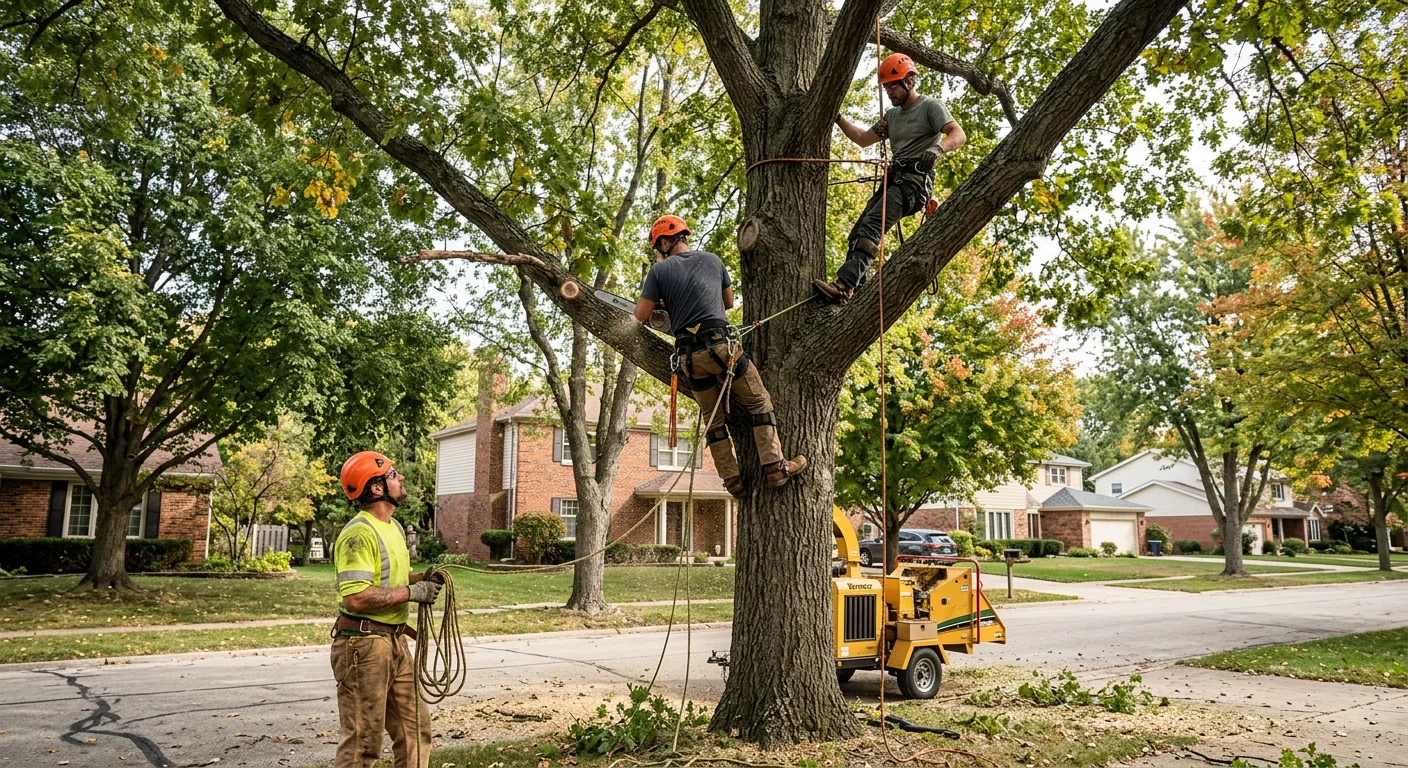
Tree trimming is the controlled cutting of limbs, deadwood, and overgrown branches to keep trees strong, balanced, and safe, and St. Charles homeowners with mature oaks, maples, and older parkway trees are the ones who need it most. Around here the wind loads off the Fox River and heavy spring storms put real stress on weak crotches and crossing limbs, so proper crown thinning and clearance cuts matter. Our crews handle it. We schedule dormant-season trimming and 2026 maintenance rounds so your canopy stays healthy through every season. St Charles Tree Service runs the ropes, the lifts, and the saws to get the job done clean.
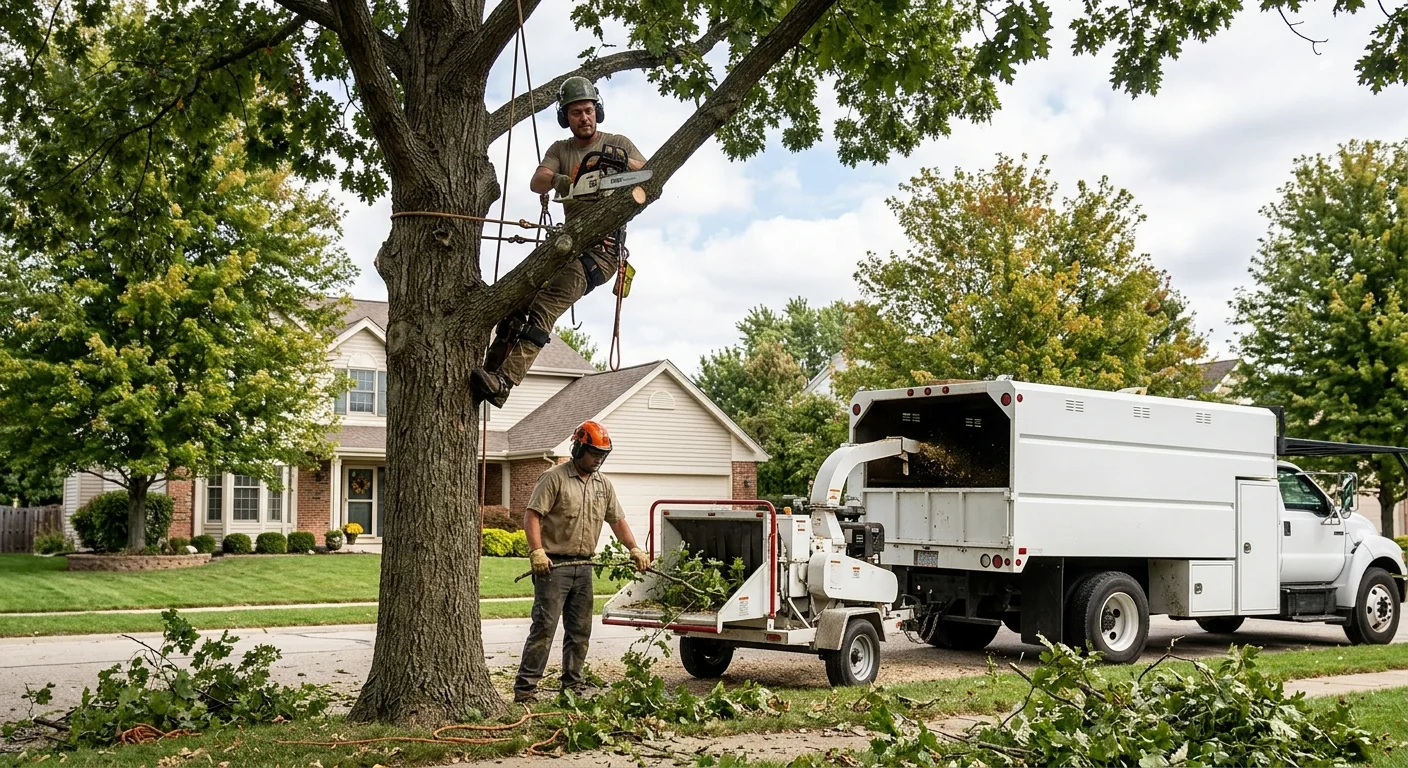
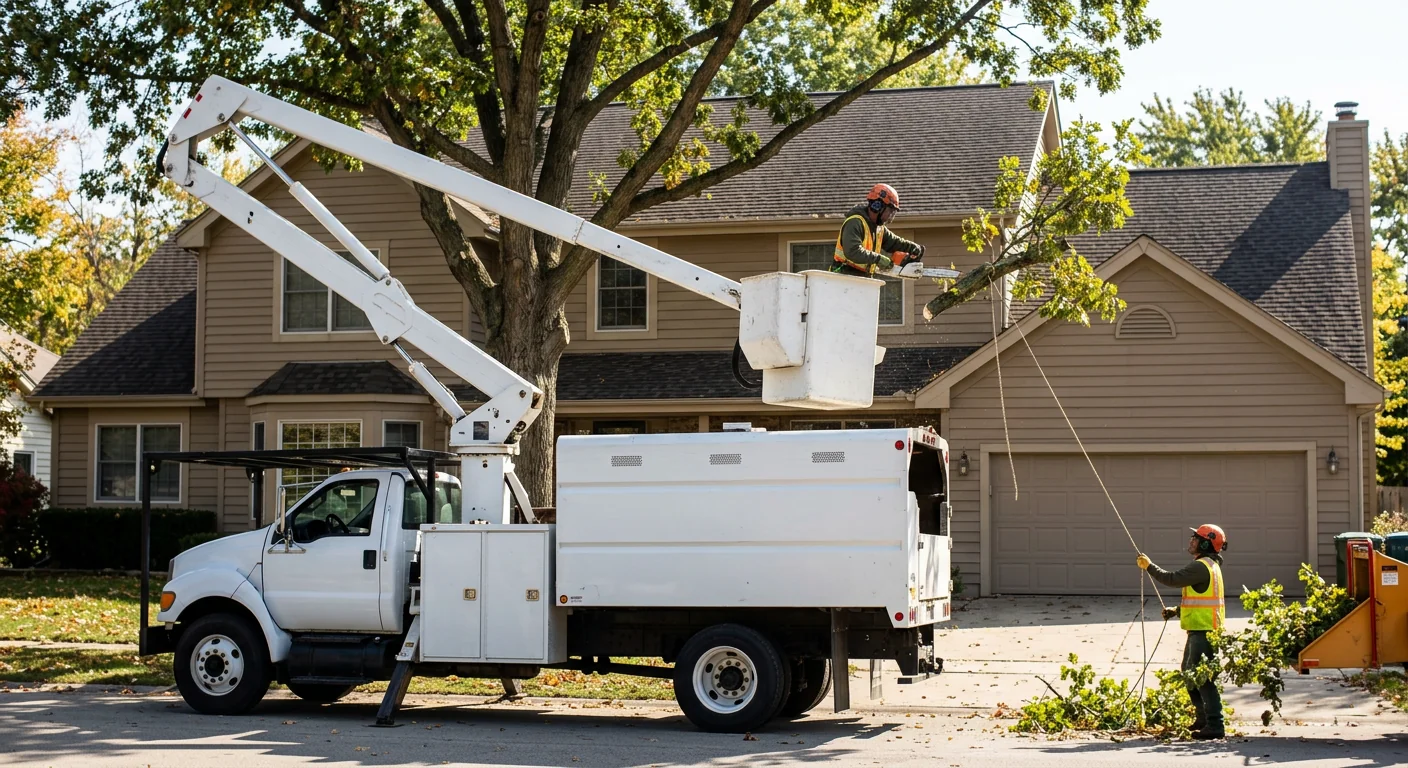
Tree trimming is the process of selectively removing branches to improve structure, clearance, and long-term health, and at St Charles Tree Service it includes crown thinning, deadwood removal, canopy raising, and directional cuts across St. Charles properties. Our crews work from proper cut points at the branch collar, using climbing ropes, aerial lifts, and sharpened saws to keep wounds clean and callusing fast. We handle residential yards, commercial lots, and multi-unit properties on recurring schedules rather than one-time patch jobs. Routine trimming keeps weight balanced, opens light and airflow through the canopy, and catches weak limbs before a storm takes them down. Our 2026 maintenance plans line up dormant-season cuts with seasonal inspections so trees stay healthier year after year. Consistent care beats emergency cleanup every time.
What Signs Mean Your Property Needs Tree Trimming?
Your property needs tree trimming when you see deadwood, crossing limbs, weak V-shaped crotches, or a lopsided canopy leaning over the house. Around St. Charles we regularly spot branches rubbing rooflines, limbs crowding power lines, and heavy end-weight that overloads weak unions during Fox Valley windstorms. Suckers and water sprouts choking the interior are another common sign, along with dense canopies that block airflow and invite fungal decay. Snow and ice through the 2026 winter add real load, and untrimmed limbs are the first to snap.
Left alone, these problems get worse and more expensive. Deadwood keeps falling, weak crotches split further, and an unbalanced crown puts constant strain on the root plate. Regular trimming clears the risk, restores balance, and keeps your trees on a steady maintenance schedule instead of an emergency one. That is the work we do.
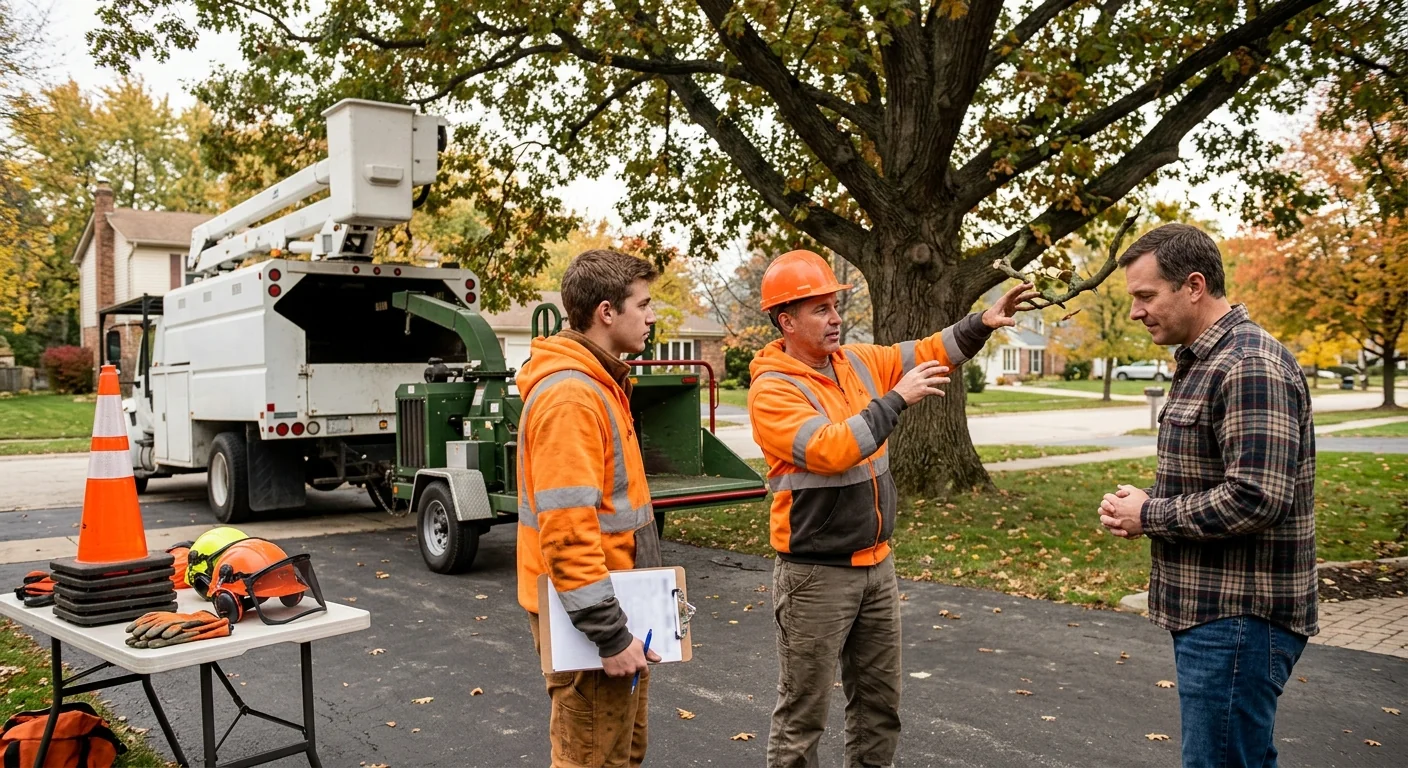
We walk the property first. Our crew checks canopy structure, deadwood, crossing limbs, and clearance around your St. Charles home before any cutting starts. Every finding gets written into the plan so you know exactly what work is planned and why.
2
Set the Trimming Plan
Once we read the tree, we map out cuts. That means selecting which limbs get thinned, which branches need crown reduction, and where clearance pruning protects your roof and lines. We match the plan to the season so growth recovers strong through 2026.
3
Rigging and Setup
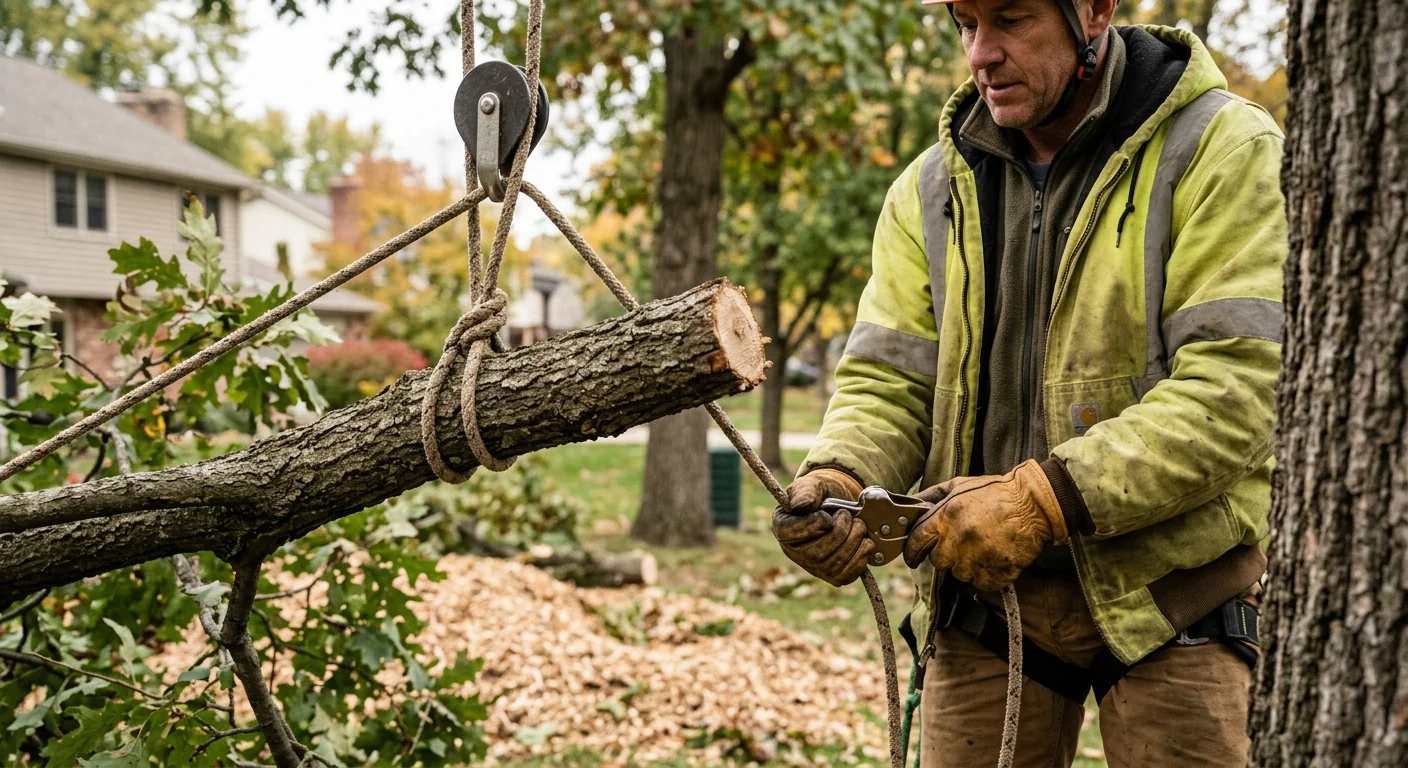
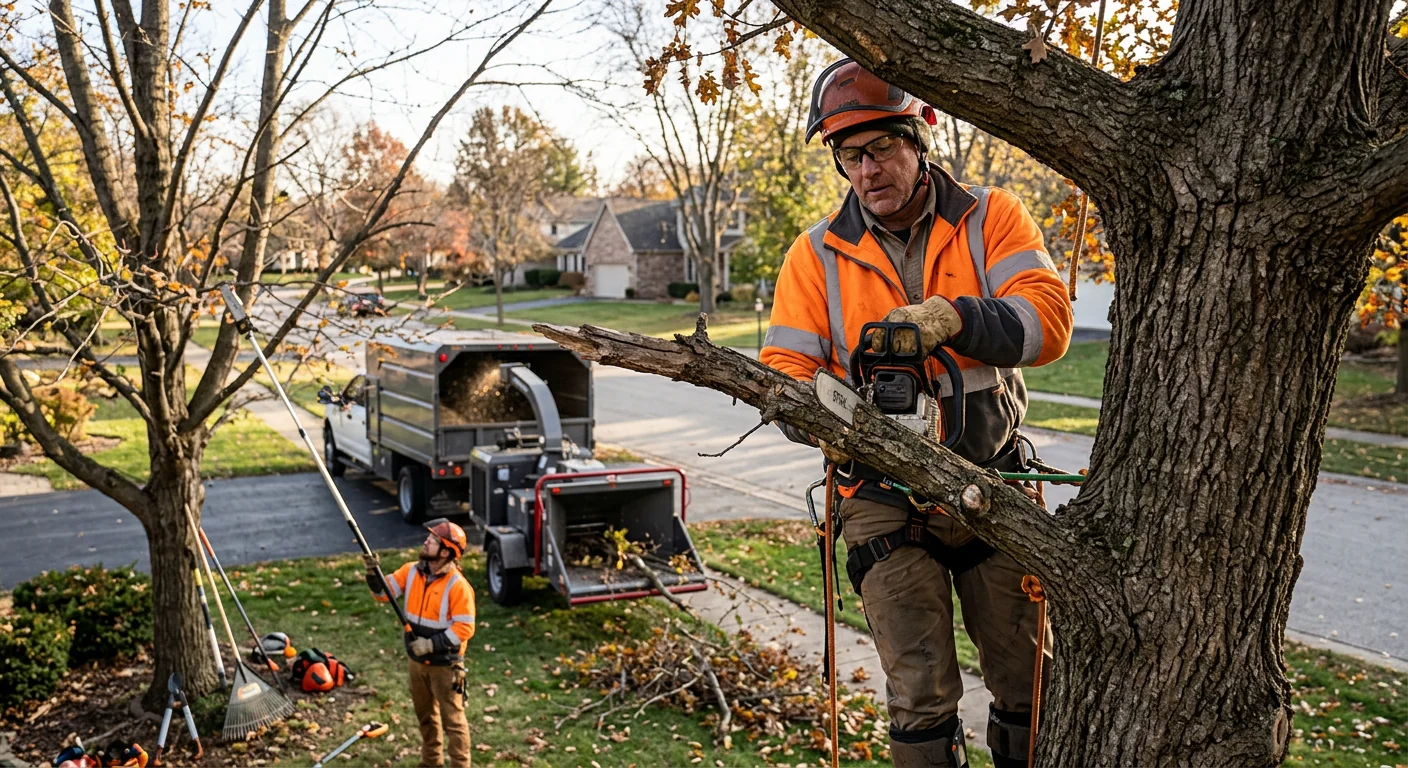
Safety gear goes up before the saws come out. We stage ropes, rigging lines, and drop zones based on the tree’s lean and wind conditions. Proper setup keeps limbs off the ground until we lower them clean.
4
Precision Cutting
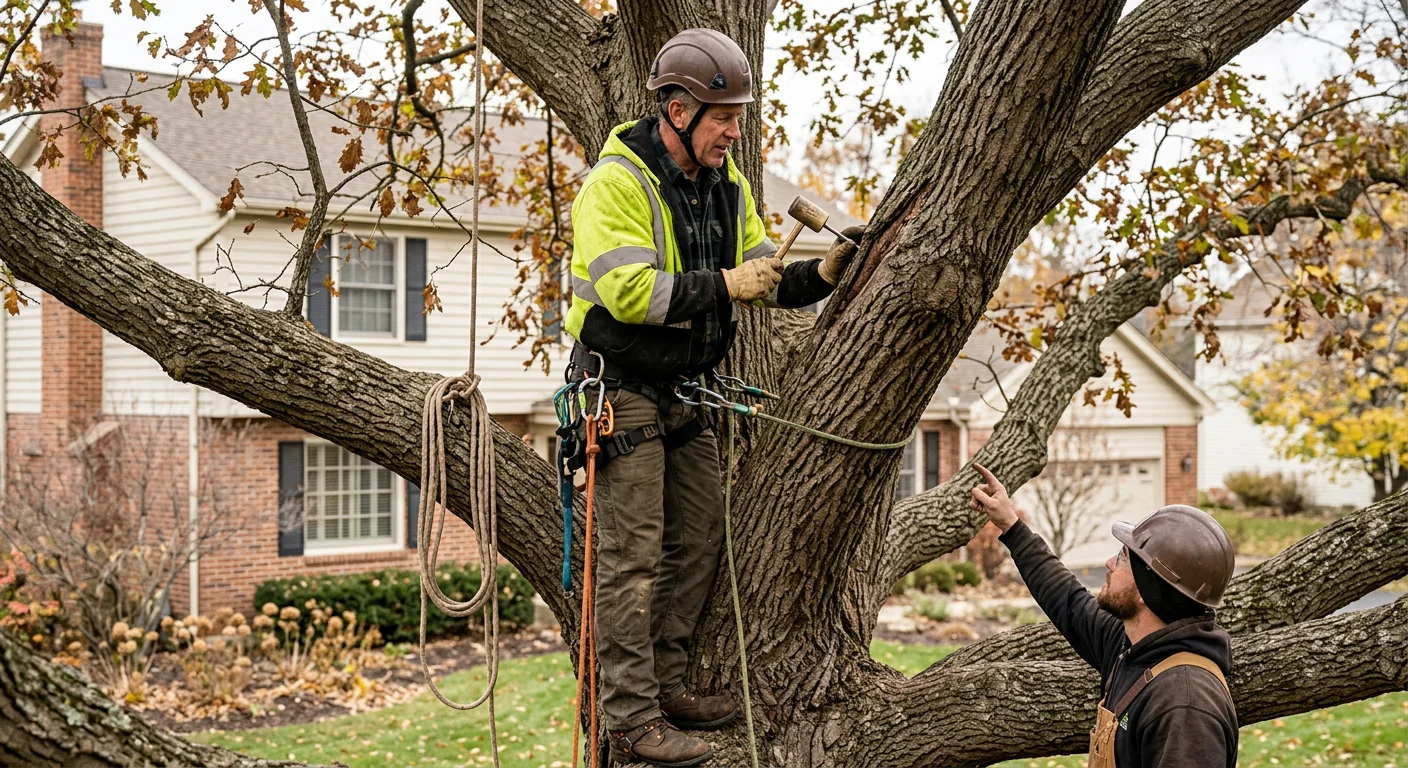
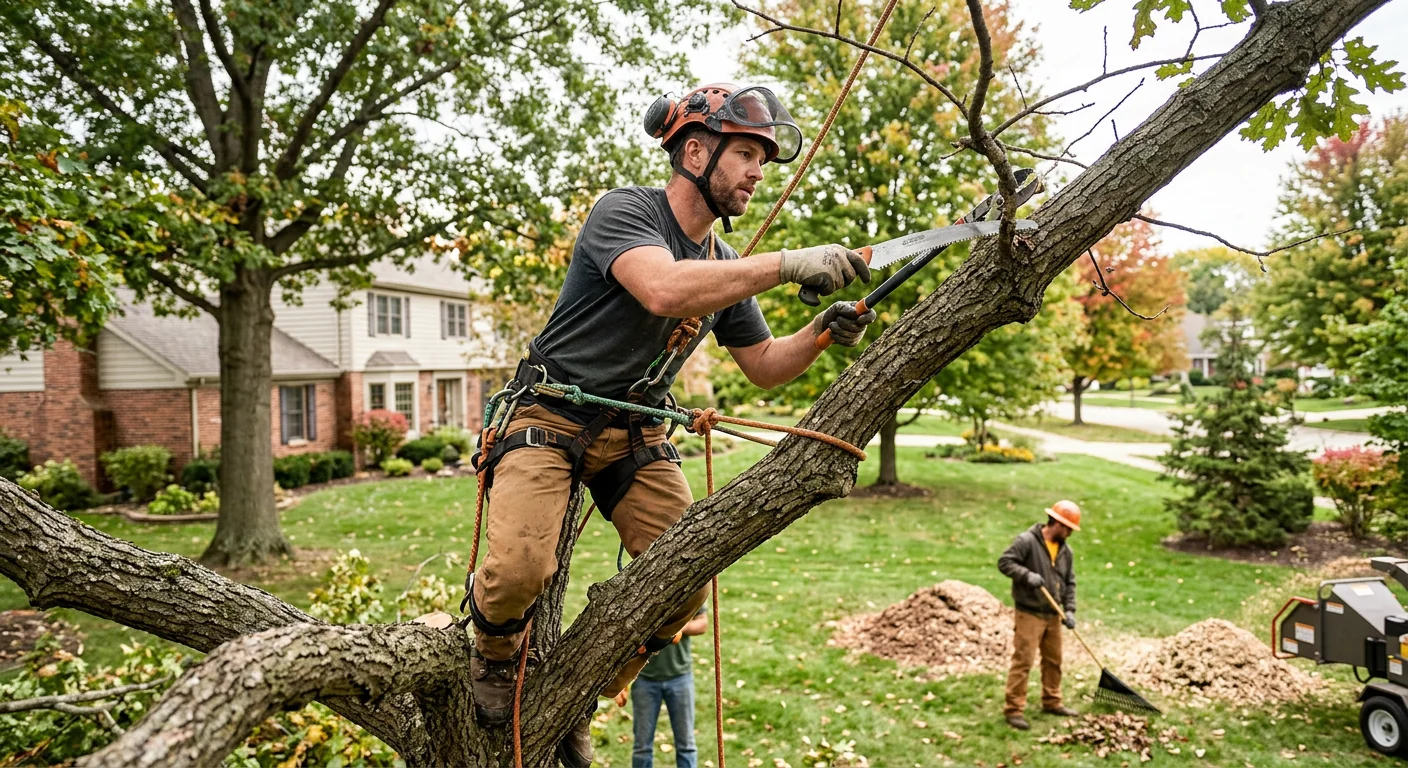
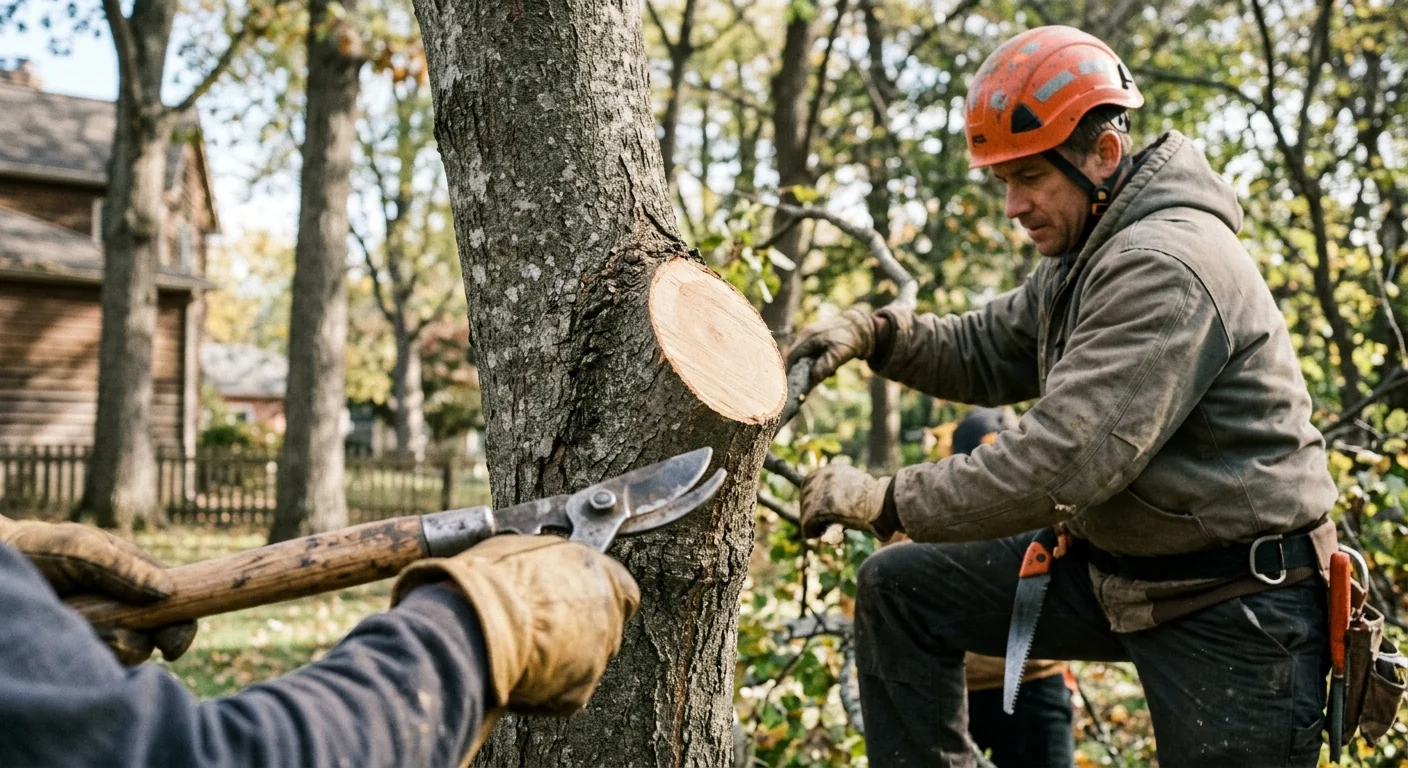
The trimming happens branch by branch. Our climbers make proper collar cuts at the branch union to protect the tree’s natural healing response and avoid stub damage. Controlled lowering keeps everything off your turf and structures.
5
Cleanup and Walkthrough
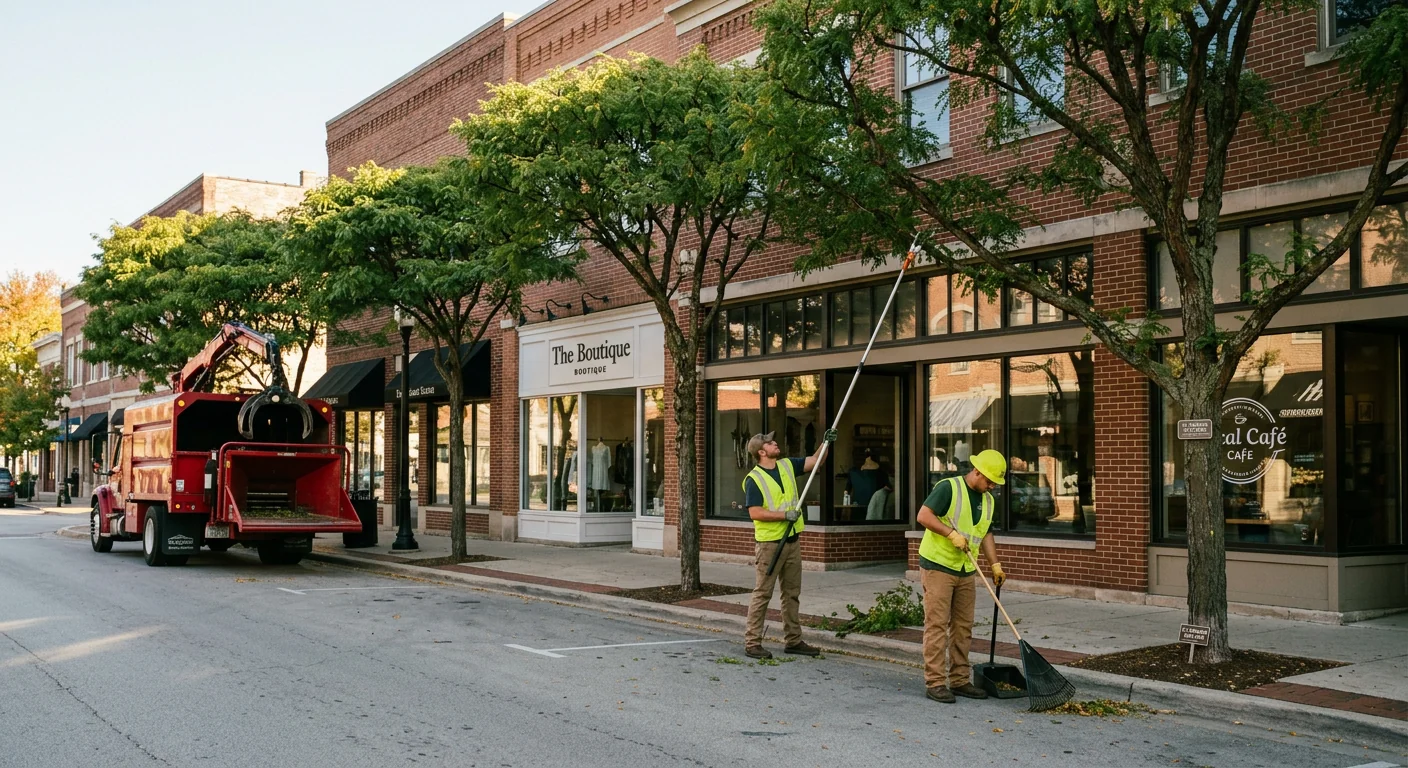
We haul off the brush and rake the site clean. Then we walk the job with you, point out the completed cuts, and set a maintenance schedule for future pruning so the tree stays healthy year after year.
Tree Trimming pricing in St. Charles depends primarily on tree size, canopy density, branch reach, and site access, with most 2026 jobs falling within typical local ranges. Bigger crowns take more time to thin and shape, so a mature oak costs more than a young ornamental. Access matters too. If a tree sits near power lines, fences, or a tight backyard, we may need rigging and controlled lowering, which adds labor. The amount of deadwood and crossing limbs also affects the cut count and cleanup haul-off. We factor in seasonal timing since dormant-season pruning often runs more efficiently. Exact pricing takes a site assessment, because no two trees read the same. Every quote comes as a free written estimate with the scope spelled out plainly.
Proven Tree Trimming Results
Why Do St. Charles Homeowners Trust Us for Tree Trimming?
St. Charles homeowners trust us for Tree Trimming because we cut with proper technique, document the work, and set up long-term care instead of one-off jobs. Our climbers make clean collar cuts at the branch union, thin the canopy for airflow, and handle crown reduction without topping the tree. Before we start, you get a written estimate that spells out the scope. After the last limb comes down, we run a post-job walkthrough and provide photo documentation of the completed cuts. We also set scheduled follow-ups and seasonal inspections so deadwood and weak limbs get caught early. Routine trimming keeps trees structurally sound, reduces storm risk, and keeps your property looking sharp through every 2026 season. Preventative pruning done right beats emergency removal later. That maintenance-first approach is how we keep St. Charles trees healthy for the long haul.
Tree Trimming Work Completed in St. Charles in 2026
Tree Trimming FAQs
Tree Trimming FAQs for St. Charles Homeowners
Straight answers to the tree trimming questions we hear most from St. Charles customers in 2026. These cover scheduling, what a trimming job includes, how to prep your property, pricing factors, and local conditions that affect the work.
Most shade trees in St. Charles do well on a two to three year trimming cycle, though fast-growing species and young trees often need more frequent attention. We set up recurring visits so we can catch deadwood, crossing limbs, and weak branch unions before they turn into bigger problems. Consistent trimming keeps the canopy structured and the tree healthier over the long haul.
A trimming job typically includes deadwood removal, crown thinning or raising, and clearance cuts away from structures, all made at the branch collar so the tree heals properly. We assess the canopy first, decide which limbs to take, then rig and lower them without tearing bark or damaging what stays. Debris gets hauled and the site cleaned before we walk it with you.
Clear vehicles, patio furniture, and anything movable from under and around the trees so we have room to drop limbs and set up rigging safely. Access matters too, so unlocking gates and letting us know about buried lines, sprinkler heads, or soft turf helps us protect your property. We handle the rest once we are on site.
Trimming cost depends on tree size, species, canopy condition, access, and how much material comes down, since a large oak near power lines takes more rigging than an open-yard maple. In 2026 we still provide written estimates after looking at the actual trees rather than quoting sight-unseen. That way you know the scope and price before any cuts are made.
Free Tree Trimming Estimates
Schedule Tree Trimming in St. Charles
Ready to get your trees back in shape for 2026? Our St. Charles crew handles the climbing, cutting, and cleanup, then hands you a free written estimate before any saw runs. No obligation, no pressure. We work around your schedule and keep your property clear season after season. Reach out today and let’s put a plan together for consistent, year-round care that keeps your canopy healthy and safe.