










1
Walk the Property
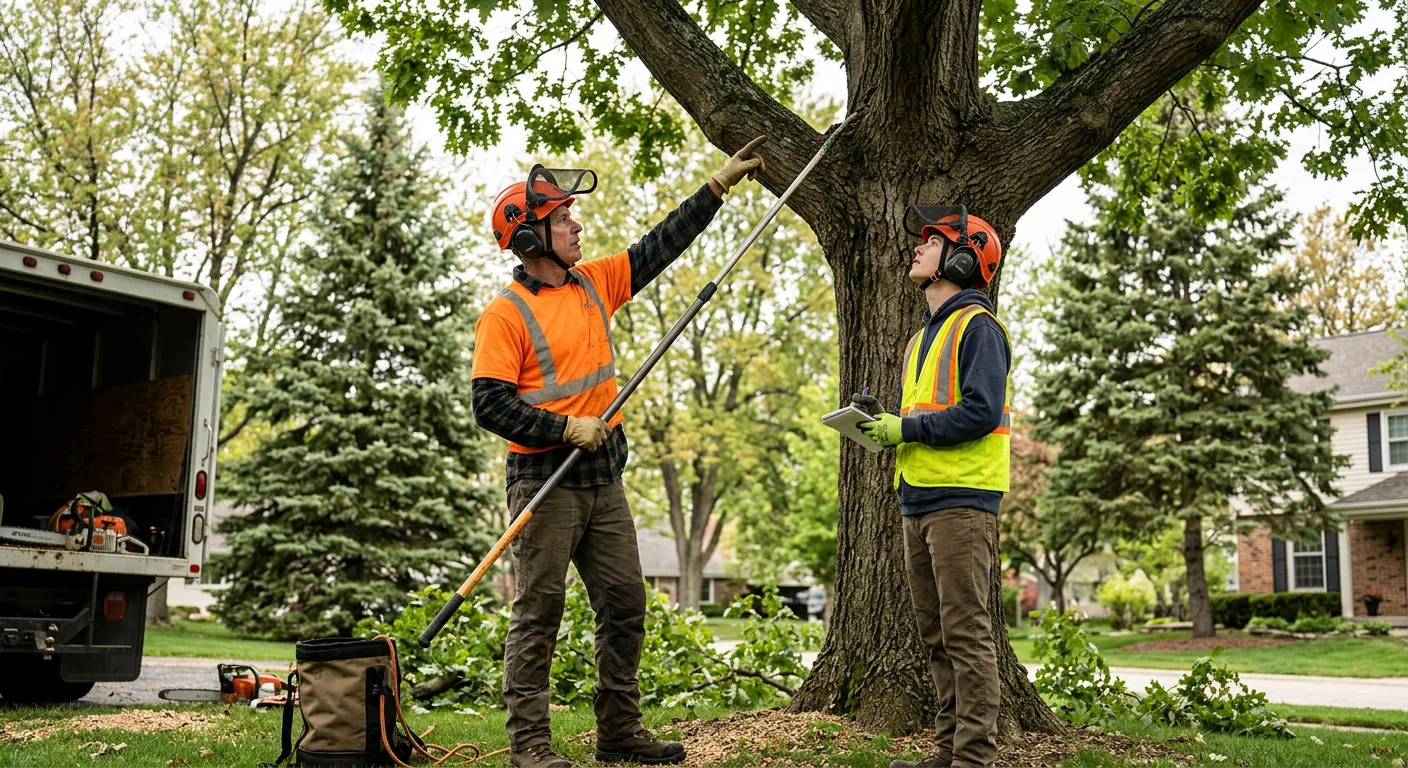
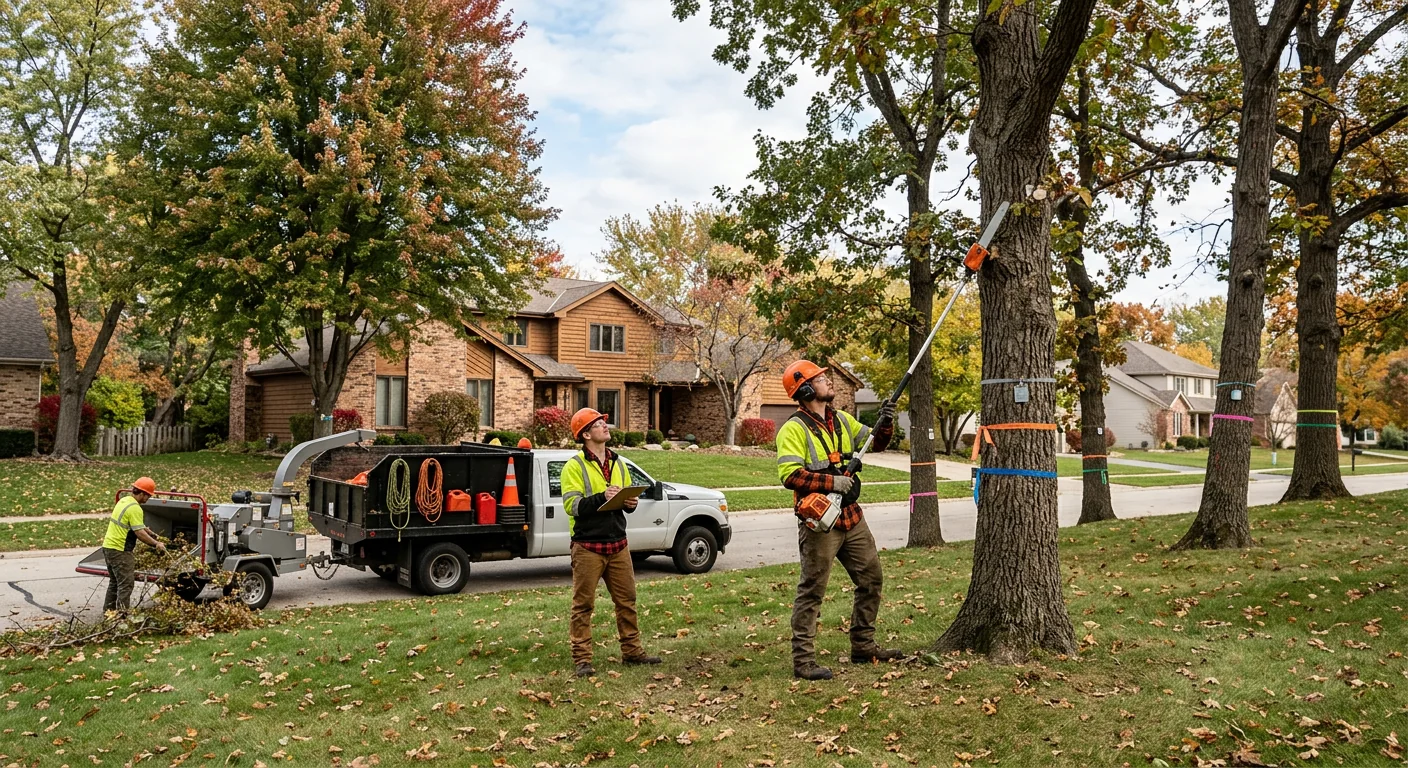
We start on the ground, walking every tree on the lot. Root flare, lean, soil heave, and canopy balance all get checked. This first pass tells us where the real problems sit.
Tree Risk Assessment is a hands-on inspection that grades the structural condition of your trees and flags hazards before they drop. St. Charles homeowners with mature oaks, older parkway trees, and wooded lots along the Fox River lean on this work to catch decay, root defects, and weak branch unions early. We check for included bark, cavity development, lean, and canopy dieback, then log findings you can actually use. Our crews stay booked through 2026 for seasonal inspections tied to storm season prep. St Charles Tree Service handles the climb, the ground survey, and the written report. Straightforward, no guesswork.
Click Me to Call: (630) 345-8078Send us the details and we will line up an inspection.
Service Overview
Tree Risk Assessment is the process of inspecting a tree’s structure, health, and surroundings to rate failure potential and likely impact, and at St Charles Tree Service it covers full crown-to-root evaluations across St. Charles properties. Our arborists walk the site, check root flare and soil heave, sound the trunk for internal decay, and study branch unions for included bark and cracks. We document lean, deadwood, cavity size, and target zones where a limb or trunk could land. Residential yards, commercial lots, and multi-unit properties all get the same methodical review. Findings feed a maintenance plan built on recurring inspections and seasonal check-ups rather than waiting for something to break. Heading into 2026, we schedule assessments ahead of storm season so problems get caught early. Regular review keeps trees healthier and properties safer for the long haul.
Signs You Need Tree Risk Assessment
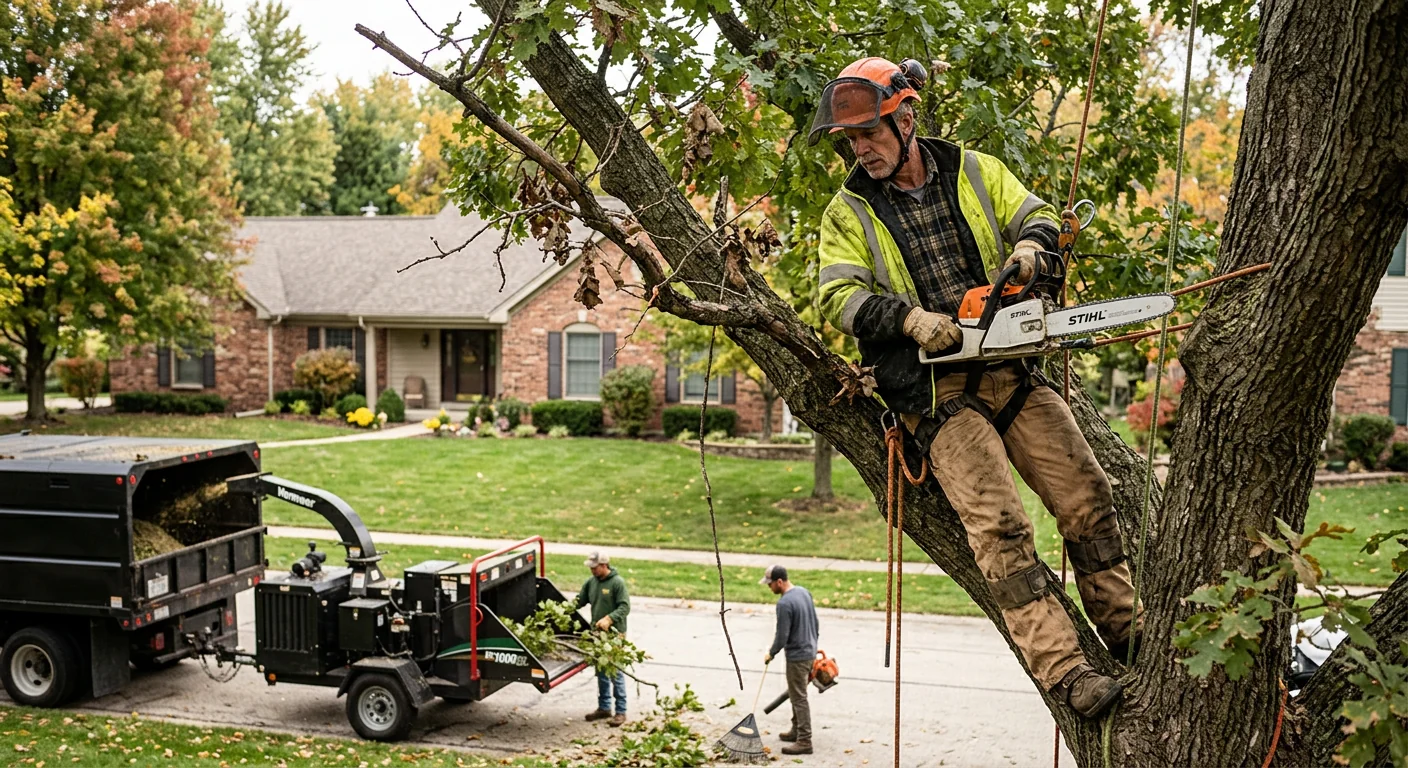
Clear signs your property needs a Tree Risk Assessment include visible lean, cracked branch unions, canopy dieback, mushroom growth at the root flare, and hanging deadwood over a house or driveway. St. Charles trees take a beating from freeze-thaw cycles, wet clay soils, and hard summer storms rolling off the Fox River. Watch for hollow-sounding trunks, cavity openings, root heave lifting the soil, and included bark splitting a co-dominant stem. These defects rarely fix themselves, and they tend to worsen through wet 2026 spring conditions when saturated ground loosens root anchorage.
Left alone, a compromised tree becomes a target hazard that can drop limbs on cars, fences, or roofs during the next wind event. A proper assessment sorts what needs pruning, cabling, or removal from what just needs monitoring on a schedule. That is where routine inspection pays off. Tree Risk Assessment gives St. Charles property owners a graded, written picture of every tree so upkeep stays ahead of failure instead of chasing it after the fact.
Book an Inspection (630) 345-8078Tree Risk Assessment Process
We start on the ground, walking every tree on the lot. Root flare, lean, soil heave, and canopy balance all get checked. This first pass tells us where the real problems sit.
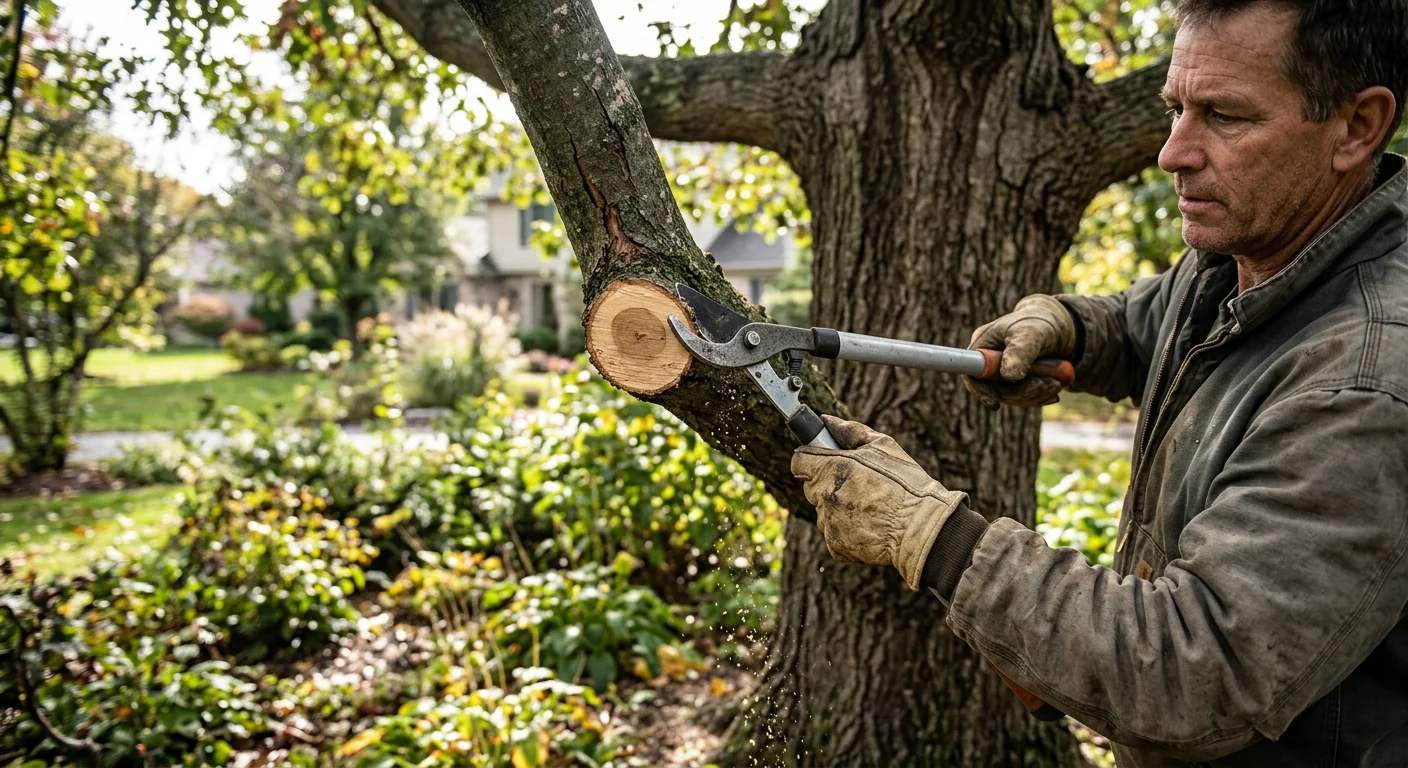
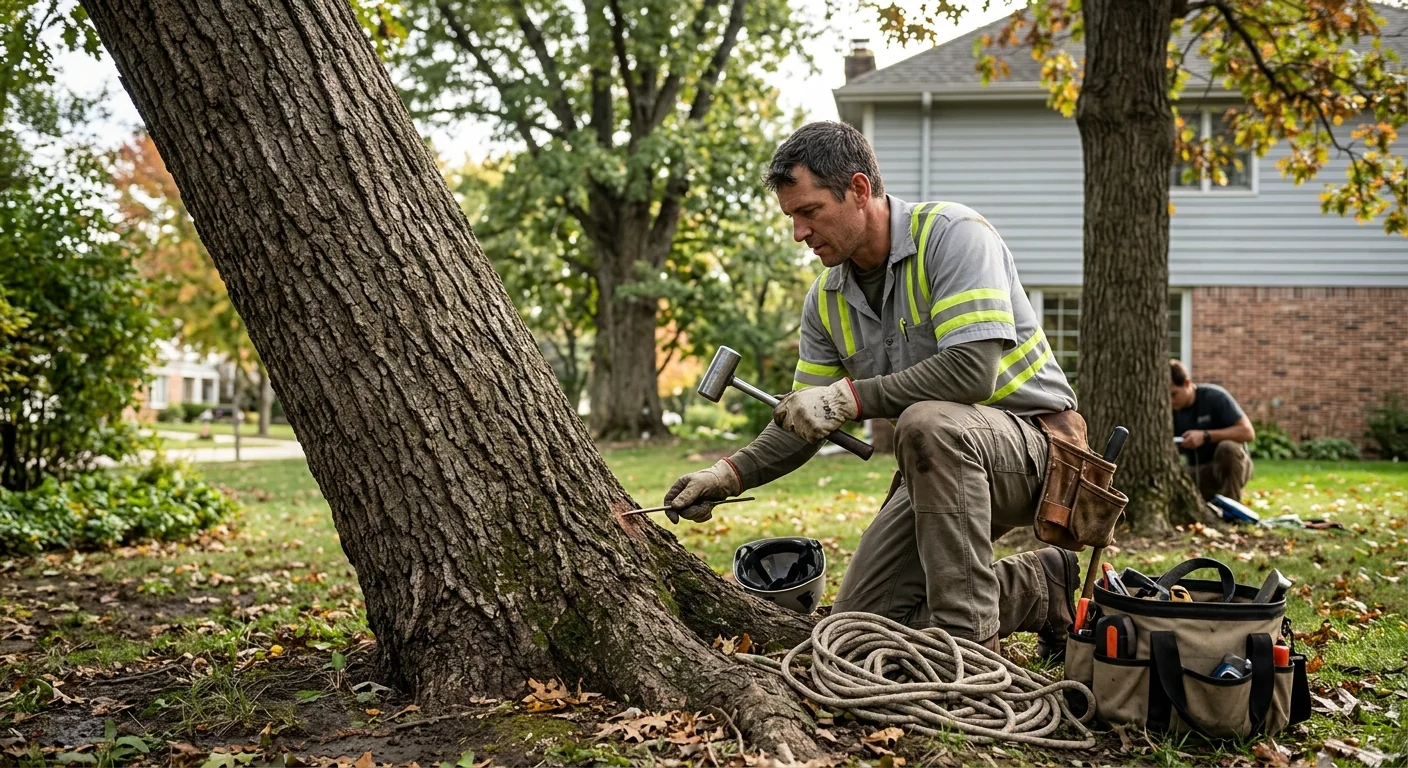
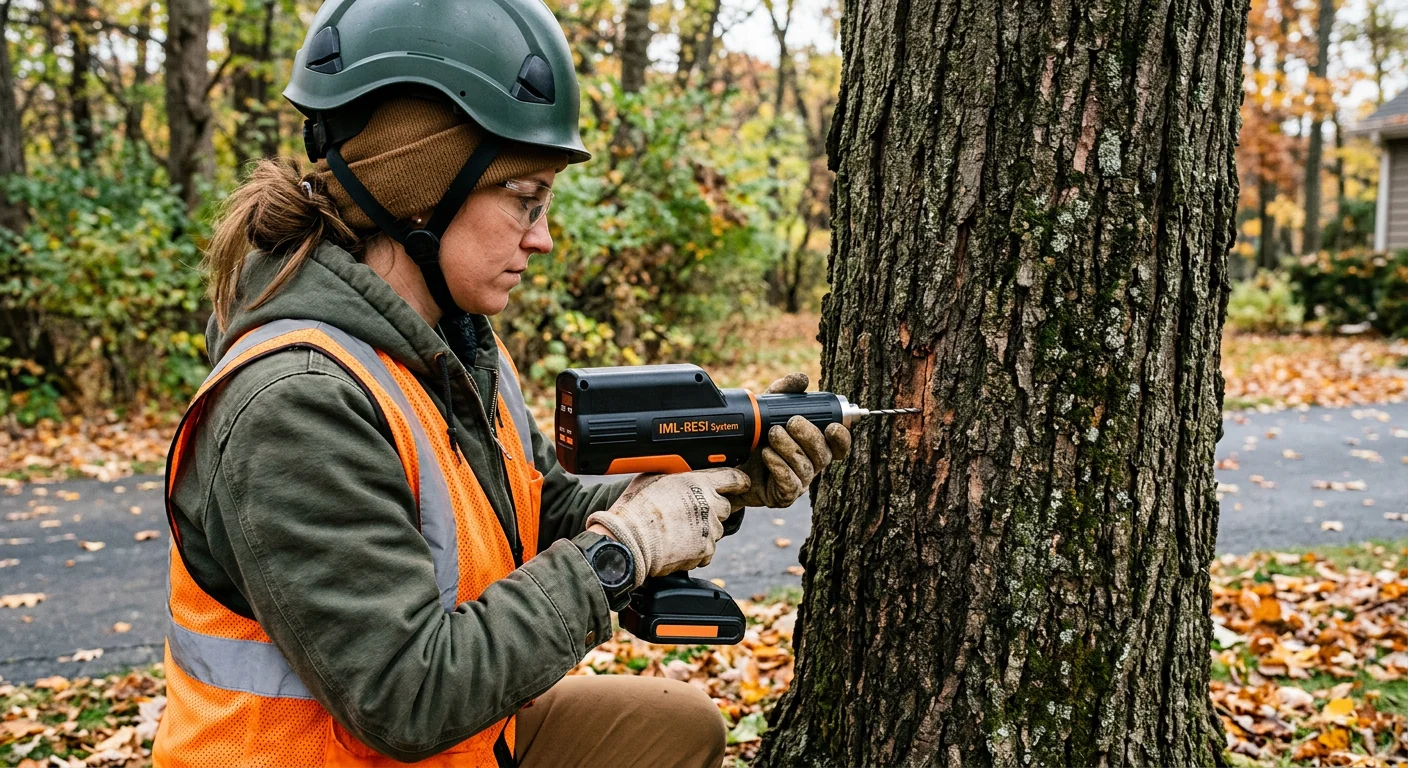
Next we look close at trunk defects, cavities, cracks, and weak branch unions. A mallet sounding and probing help us find internal decay you cannot see from a distance. Deadwood and hangers get flagged for the report.
Each tree gets a risk rating based on likelihood of failure and what sits in the target zone. Houses, driveways, and power lines around St. Charles properties change how we score a defect. Nothing gets guessed.
We write it all down with photos of every flagged tree and defect. You get a clear report showing which trees are sound, which need pruning or cabling, and which need removal. Plain language, no filler.
Finally we lay out a schedule for follow-up inspections and seasonal care. Routine checks catch new decay and storm damage before they turn into failures. That keeps your trees healthier for years.
Tree Risk Assessment Cost Factors
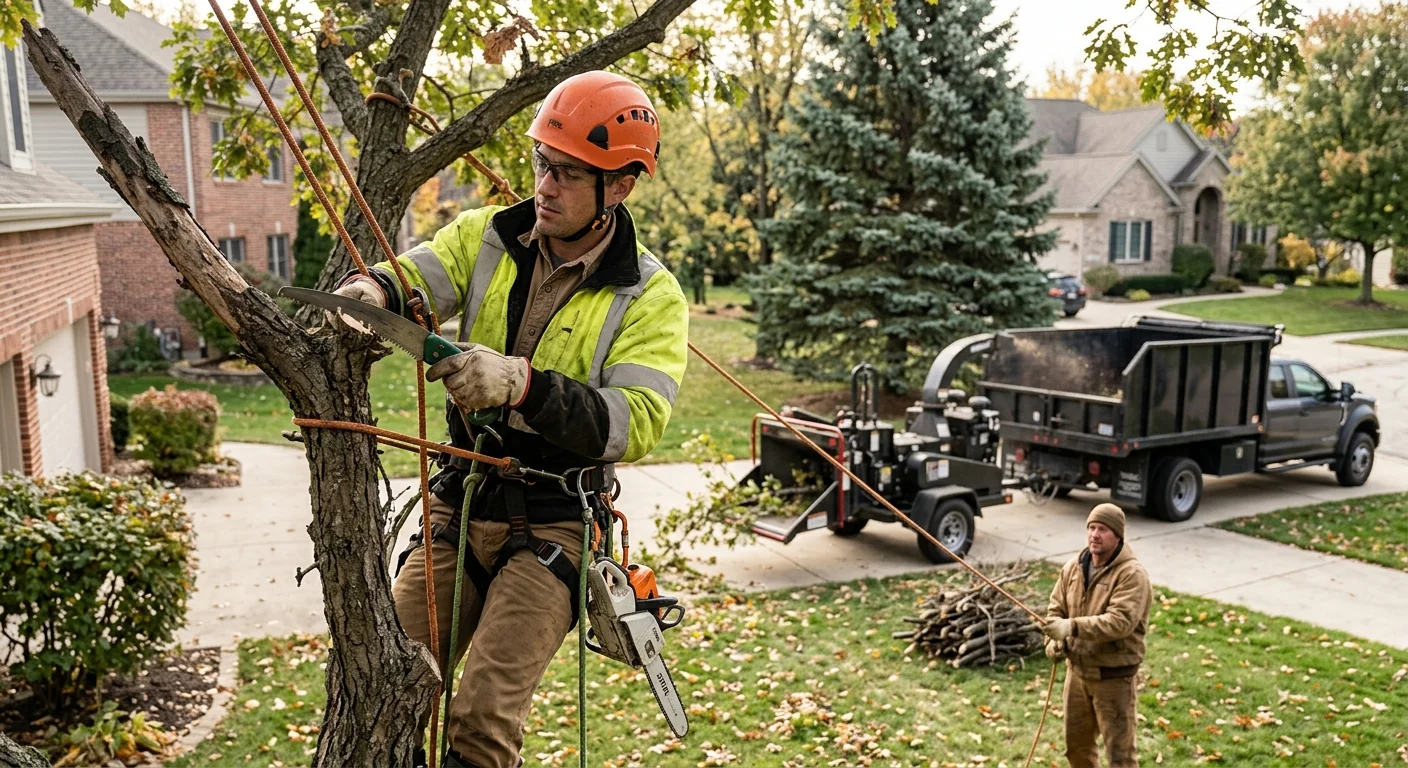
Tree Risk Assessment pricing in St. Charles depends on the number of trees inspected, tree size and species, site access, and how much documentation the report needs. Larger properties with mature oaks and multiple target zones take more time to walk and grade, so they run higher. Trees with suspected internal decay may need extra sounding or probing, which adds to the labor. Access matters too; trees crowded near structures or power lines slow down the inspection. Most 2026 jobs land within typical local ranges once we see the site. Exact pricing always requires a walk of the property first. We provide free written estimates before any work starts.
Trusted Tree Assessment Specialists
St. Charles homeowners trust our Tree Risk Assessment because we grade every tree on real field evidence, not guesswork, and back it with photo documentation you can keep. Our crews check root flare, trunk defects, branch unions, and target zones using sounding and probing to catch decay hidden inside the wood. Each inspection ends with a written report and a post-job walkthrough so you know exactly which trees are sound and which need attention. We build a maintenance schedule around the findings, with recurring inspections that catch new decay and storm damage before they become failures. That preventative approach keeps your trees healthier and your property safer season after season. Heading into 2026, we still handle each assessment the same hands-on way. Free written estimates come standard.
Contact UsRecent Tree Risk Assessment Jobs
Tree Risk Assessment FAQs
These answers cover the Tree Risk Assessment questions we hear most from St. Charles property owners in 2026. We keep it practical, from what an inspection includes to how we handle borderline trees near homes, so you know what to expect before we set foot on the lot.
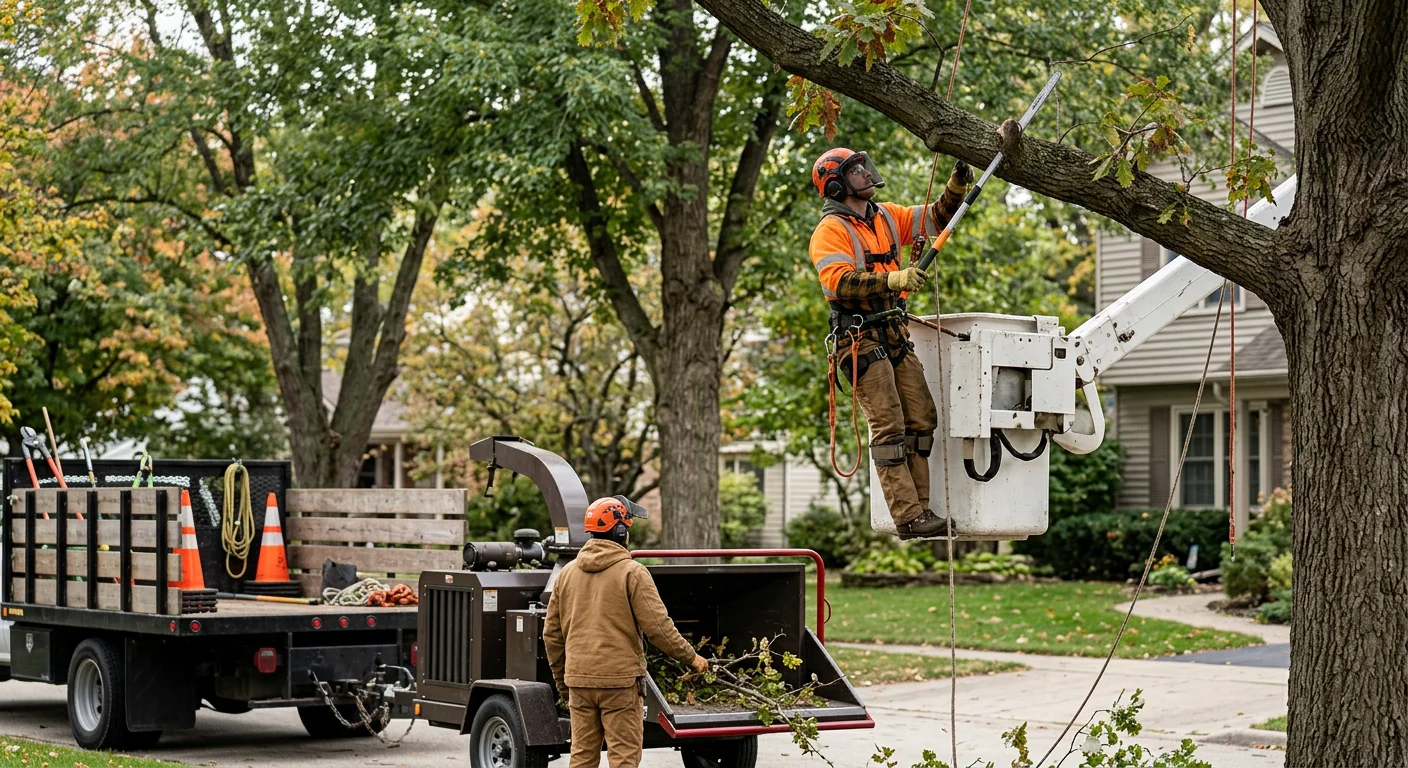
A tree risk assessment starts with a ground-level inspection of the trunk, root flare, and canopy, checking for decay, cracks, deadwood, and lean. We look for structural defects and signs of root disease, then rate each tree by likelihood of failure and the target it could hit. You get a written report with clear recommendations, whether that is pruning, cabling, or removal.
Most St. Charles properties do well with an inspection every one to three years, with mature or high-target trees checked more often. Trees near the house, driveway, or power lines shift over the seasons, and small defects grow into real hazards if nobody watches them. Routine assessments catch decay pockets and included bark early, which keeps repair work smaller and cheaper over time.
Clear access to the trees you want checked and point out any that concern you, since knowing the history helps us read the crown and root zone faster. Move vehicles, patio furniture, or anything blocking the trunk base and root flare. If you have had past storm damage or seen mushrooms at the base, mention it so we can focus the inspection where it matters.
Cost depends on how many trees you have, their size, and how much access the site allows, so we give a written estimate before any work starts. A single high-target tree near a home takes less time than surveying a wooded lot with dozens of stems. We walk the property with you first in 2026, explain the scope, and put the numbers in writing so there are no surprises.
Book Tree Risk Assessment
Ready to know exactly what your trees are dealing with? Our crew walks your St. Charles property, checks the trunks, roots, and canopy, and hands you a free written estimate with no obligation attached. We keep scheduling fast, so you can get problems flagged and handled before the 2026 storm season rolls in. Routine assessments catch trouble early and keep your property safer year-round. Call the crew today and get on the books.
Tree Service Service (630) 345-8078